
By Lisa Simon, CEO/Executive Director of the International Inbound Travel Association
Leaving IPW this year, I found myself holding two very different feelings at the same time.
The first was optimism.
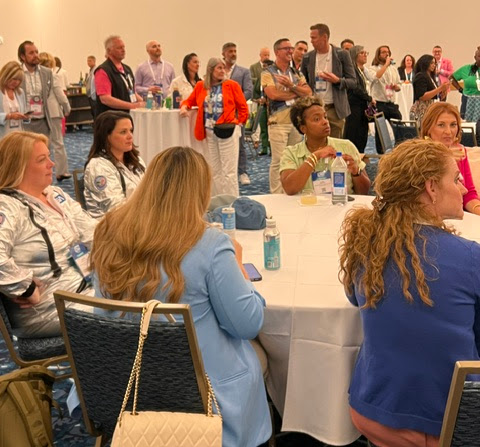
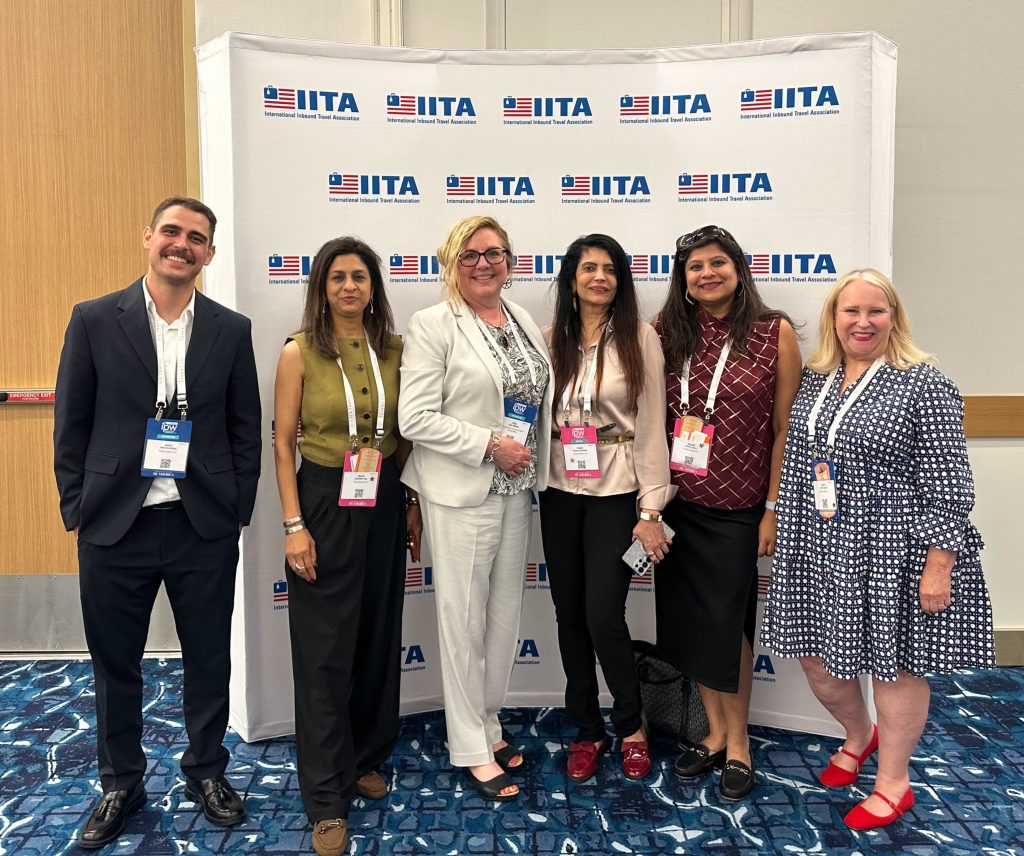
There is something energizing about seeing the U.S. travel industry come together with a shared purpose. Throughout the week, destinations, attractions, hotels, inbound operators, transportation providers, and government officials sat at the same tables discussing how to make travel to the United States easier, smoother, and more welcoming for international visitors.
We heard from leaders at the National Travel and Tourism Office, Customs and Border Protection, Brand USA, and other agencies who understand the importance of international travel and are working to improve communication, clarify procedures, and ensure travelers have a positive experience. We discussed preparations for what should be a remarkable decade of opportunity, including the FIFA World Cup, America’s 250th anniversary, Route 66 Centennial celebrations, and future Olympic Games.
The industry’s commitment is real. The government’s engagement is real. The opportunities ahead are real.
Yet so are the challenges.
And that’s where the second feeling emerged.
IPW was also a reminder that our work is far from finished.
International visitation remains below where any of us want it to be. Buyers continue to ask questions about costs, visa processes, entry procedures, and media reports. Perception remains one of our greatest challenges. While recent research shows that visitors who come to the United States overwhelmingly report positive experiences, many potential travelers are making decisions based on headlines rather than firsthand experience.
At the same time, it’s important to keep perspective. The story is not the same in every market. Millions of international visitors continue to travel here every year, and the vast majority have positive experiences. Some source markets are experiencing significant declines, while others remain stable or are showing encouraging growth. The picture is far more complex than a single headline or forecast can capture.
Perhaps most frustrating is that every time we seem to make progress, another challenge emerges. Just as the industry works to address concerns about visa fees, ESTA proposals, national park surcharges, or processing procedures, another headline appears. Most recently, comments suggesting the potential withdrawal of Customs and Border Protection personnel from airports in so-called sanctuary cities created new uncertainty for international travelers and the businesses that serve them.
This is why advocacy matters.
It is also why readiness matters.
We cannot control every policy debate or news cycle, but we can control how prepared our destinations, businesses, and communities are to welcome international visitors. Every traveler who leaves the United States with a positive impression becomes an ambassador for our country. Every exceptional experience creates a story that is more powerful than any headline.
That will be especially important as we prepare for the FIFA World Cup. While visitor projections may not be as high as they once appeared, millions of fans are still expected to travel, and many will be visiting the United States for the first time. Every touchpoint matters – from arrival in our gateway cities to experiences in communities across the country. The opportunity extends far beyond the matches themselves.
Leaving IPW, I remain both encouraged and clear-eyed about the work ahead. The challenges are real, but so is the commitment I saw across the industry. If we stay focused on readiness, advocacy, and delivering extraordinary visitor experiences, today’s travelers can become tomorrow’s strongest advocates for the United States.
That’s the opportunity in front of us – and the responsibility that comes with it.